Gravel cycling works best when the route, bike and trip logistics have been planned as one system. Morocco can offer rewarding variety, but a road that looks smooth on a map may become rough, rocky or slow in places. Ask for the details that help you understand how each stage will actually ride.
What gravel cycling means in Morocco
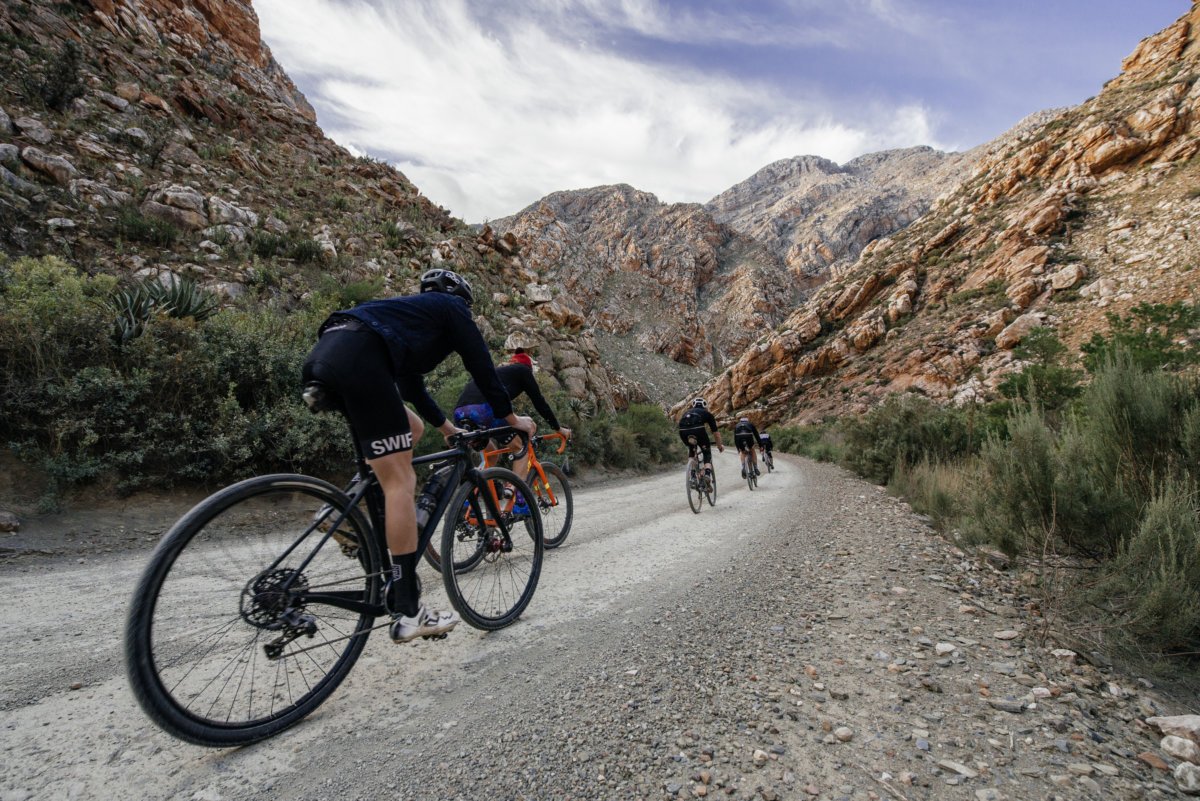
A gravel itinerary may combine paved backroads, compact dirt, farm tracks and sections of loose stone. The mix varies with the region and the exact route, and conditions can change after weather or from one valley to the next. That variety is part of the appeal, but it also means a single label such as “gravel” does not tell you everything you need to know.
Before choosing a trip, ask how much of the route is paved, how much is unsealed, and whether any sections are rocky, sandy, steep or likely to require walking. Clarify whether the journey is point-to-point or based from one accommodation, and whether transfers are used to avoid busy roads or connect distinct riding areas.
Ask for surface mix, elevation gain, likely riding time and resupply gaps—not just the total distance—so you can compare routes realistically.
Regions and terrain: where gravel can work well
Atlas foothills and rural valleys
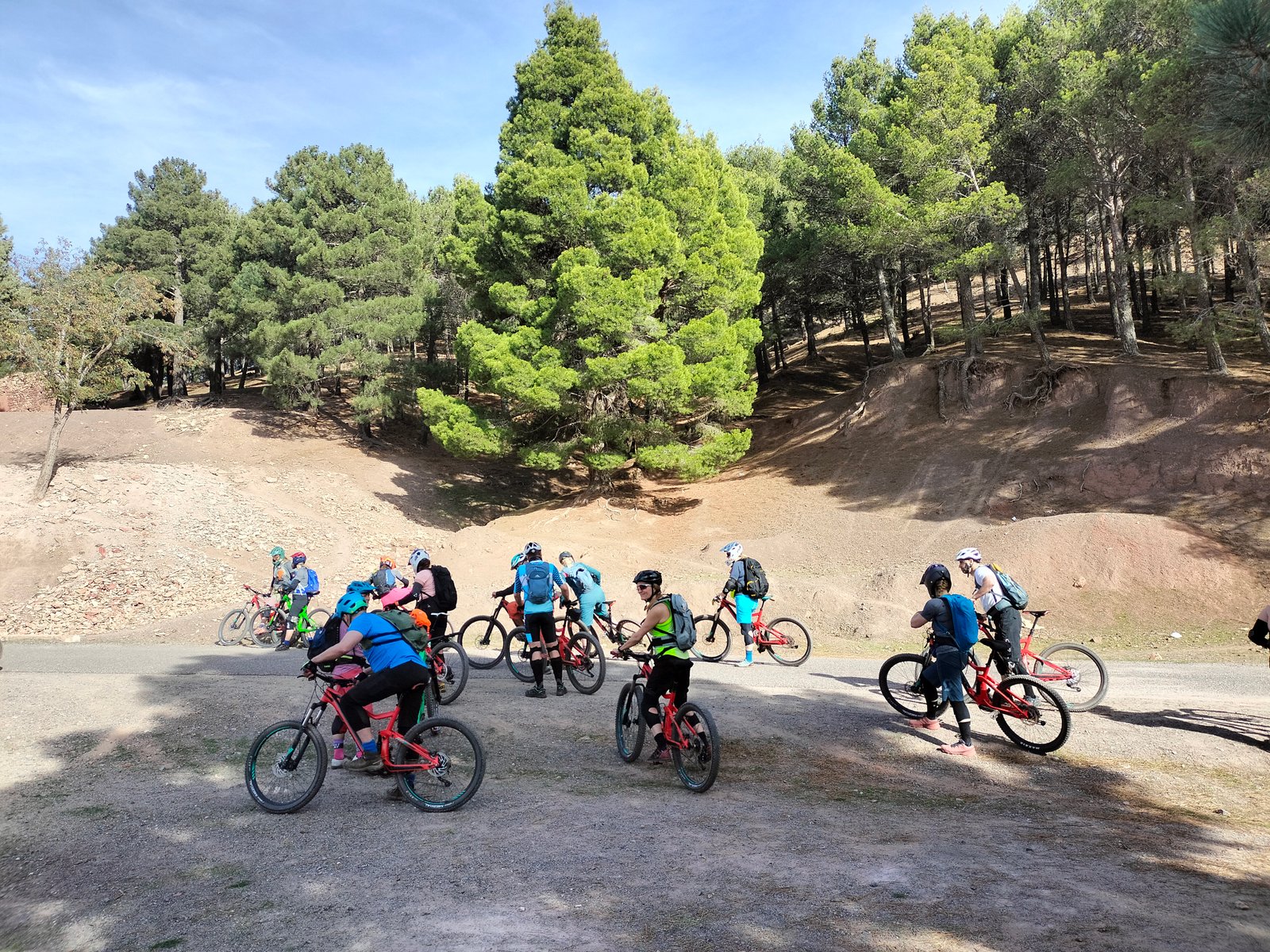
Foothill routes can bring together villages, changing views and a variety of road and track surfaces. Climbs and descents may be longer than expected, and the condition of an unpaved section matters when carrying luggage. Discuss whether a stage is designed for steady exploration or sustained riding and climbing.
Marrakech and the surrounding countryside
Marrakech can be a convenient starting point for a day ride or a longer trip. The route should account for the way out of the city, traffic exposure, transfer times and the point where more relaxed rural riding begins. A well-planned day leaves room for bike setup, breaks and the return journey rather than counting only time spent pedalling.
Agafay and southern landscapes
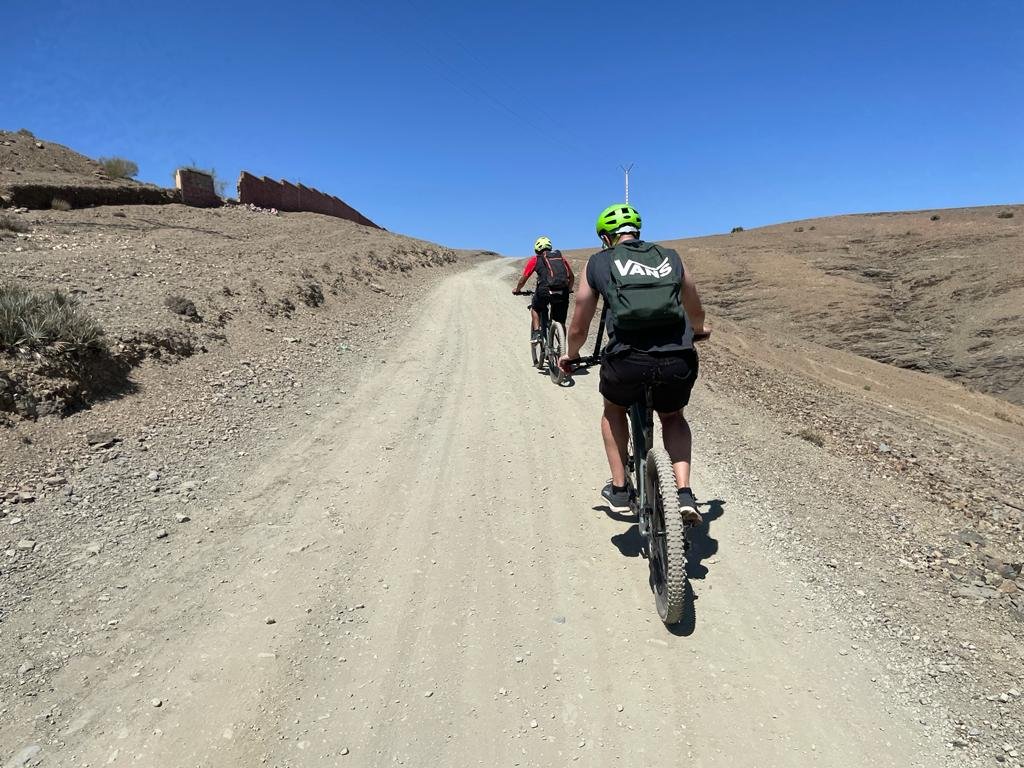
Open and dry terrain can feel very different from shaded mountain valleys. Loose surfaces, exposure to sun and wind, limited services and longer distances between supplies may affect the stage. These routes need a careful plan for water, navigation, timing and mechanical support.
Atlantic Coast and rural tracks
Coastal and countryside routes may offer a mix of paved roads and unsealed tracks, with wind influencing the effort of a day. Ask how exposed the route is, whether the stages can be adapted to conditions, and which sections are most appropriate for a gravel bike rather than a road bike or mountain bike.
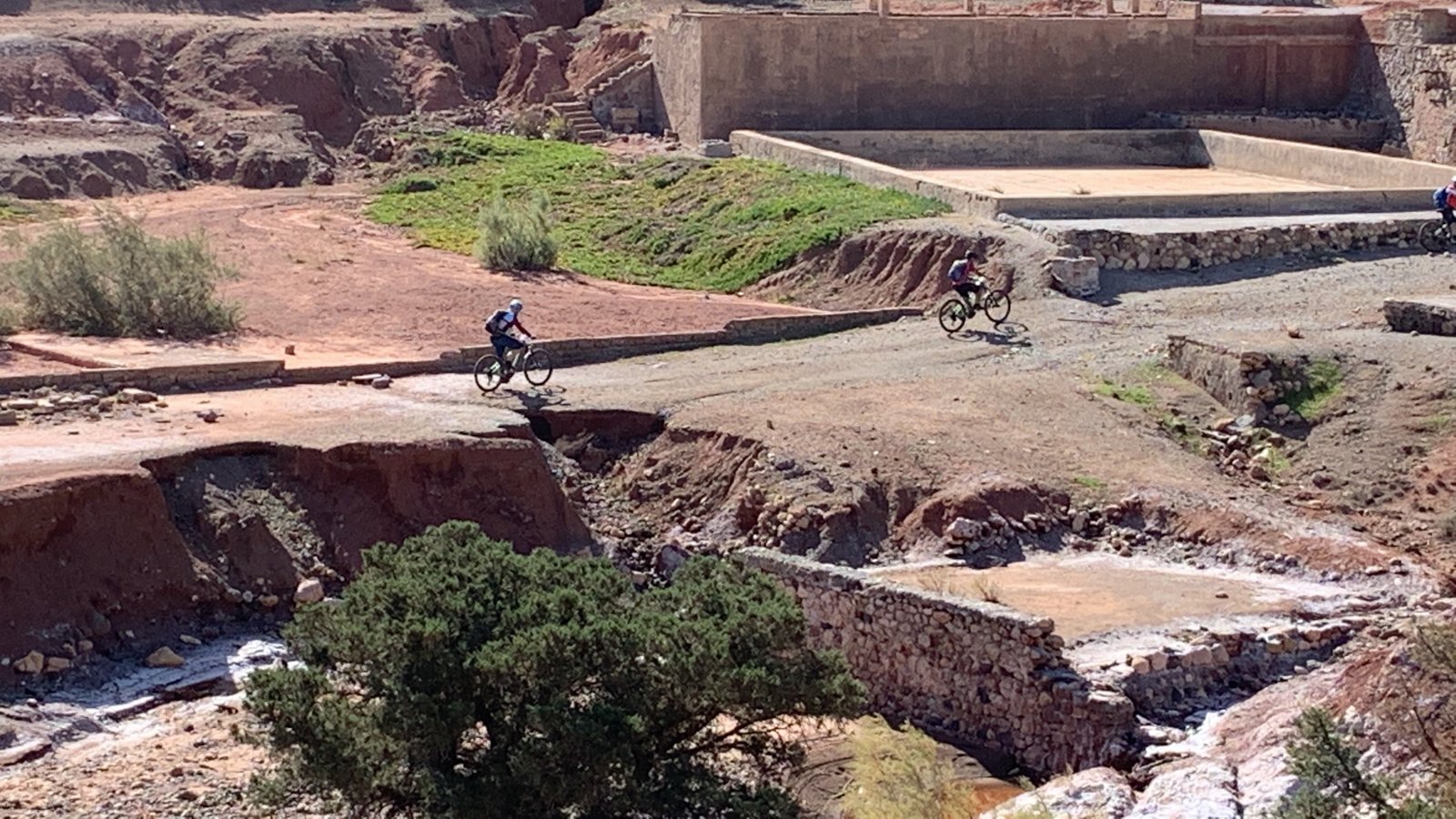
Bike setup: tyres, gearing, brakes and carrying capacity
Choose a bike and setup around the roughest surface expected on the itinerary. Tyre width and tread, puncture protection, gearing, brake condition and wheel strength can all influence comfort and reliability. Wider tyres can offer more comfort and grip on loose tracks, while a faster setup may suit a route dominated by smooth roads and firm dirt.
Make sure the gearing allows you to climb at a sustainable cadence, especially if you carry luggage or ride over loose ground. Check tyres, sealant or tubes, brake pads, rotors, chain wear and shifting before departure. If you use your own bike, confirm that the planned surfaces fit its tyre clearance and geometry.
Luggage also changes the ride. Panniers, frame bags or a small bikepacking setup affect handling in different ways, particularly on rough descents. Ask whether luggage is carried by a support vehicle or whether you are expected to carry everything between overnight stops.
Confirm whether bike hire is available, what sizes and models are offered, which pedals are fitted, whether helmets are provided and which spares and tools are included.
Plan realistic daily stages
Kilometres do not tell the whole story. A long paved stage may be faster than a much shorter day on rough tracks with repeated climbs. Elevation, surface, wind, temperature, luggage, fitness and time available for breaks all change the amount of effort a stage requires.
Ask for a day-by-day outline with the expected distance, climbing, surface mix, approximate riding time, planned stops and transfer sections. A multi-day plan should also consider recovery, accommodation check-in times and whether a shorter alternative is available if the group is tired or conditions change.
If your group includes different fitness levels, describe this honestly at the planning stage. It may be better to choose a route with a steadier pace or add a rest day than to build every stage around the strongest rider. The aim is to enjoy the riding consistently, not simply to finish a schedule that looks ambitious on paper.
Food, water and resupply on the route
Water availability can vary significantly by route. Do not assume there will be a shop or reliable refill point at every village or junction. Confirm carrying capacity, planned stops, resupply gaps and whether support provides additional water. In exposed or warm conditions, follow route-specific advice from the organiser and plan conservatively.
Food and breaks are part of the stage plan too. Ask whether meals, snacks and drinks are included, where lunch typically happens, and whether there are options for dietary requirements. Keep personal snacks accessible so you can manage your energy between planned stops.
Season, clothing and what to pack
Conditions differ by region and elevation. Mountain mornings may be cool even when lower areas are warm, while open or desert-edge stages may have more sun and wind exposure. Confirm the expected conditions for your actual route and travel dates rather than using general seasonal advice as a guarantee.
Start with a properly fitted helmet, gloves, eyewear, suitable shoes, layered riding clothing and sun protection. Add a light wind or rain layer and warmer clothing when the route or time of year calls for it. Carry basic repair items appropriate to your bike, but first check which tools and spares your support team will bring.
For trips involving transfers or overnight stays, check luggage limits, bike-case arrangements and whether you will need to pack and unpack the bike yourself. Keep essential personal items and medication accessible throughout the journey.
Responsible riding on rural tracks
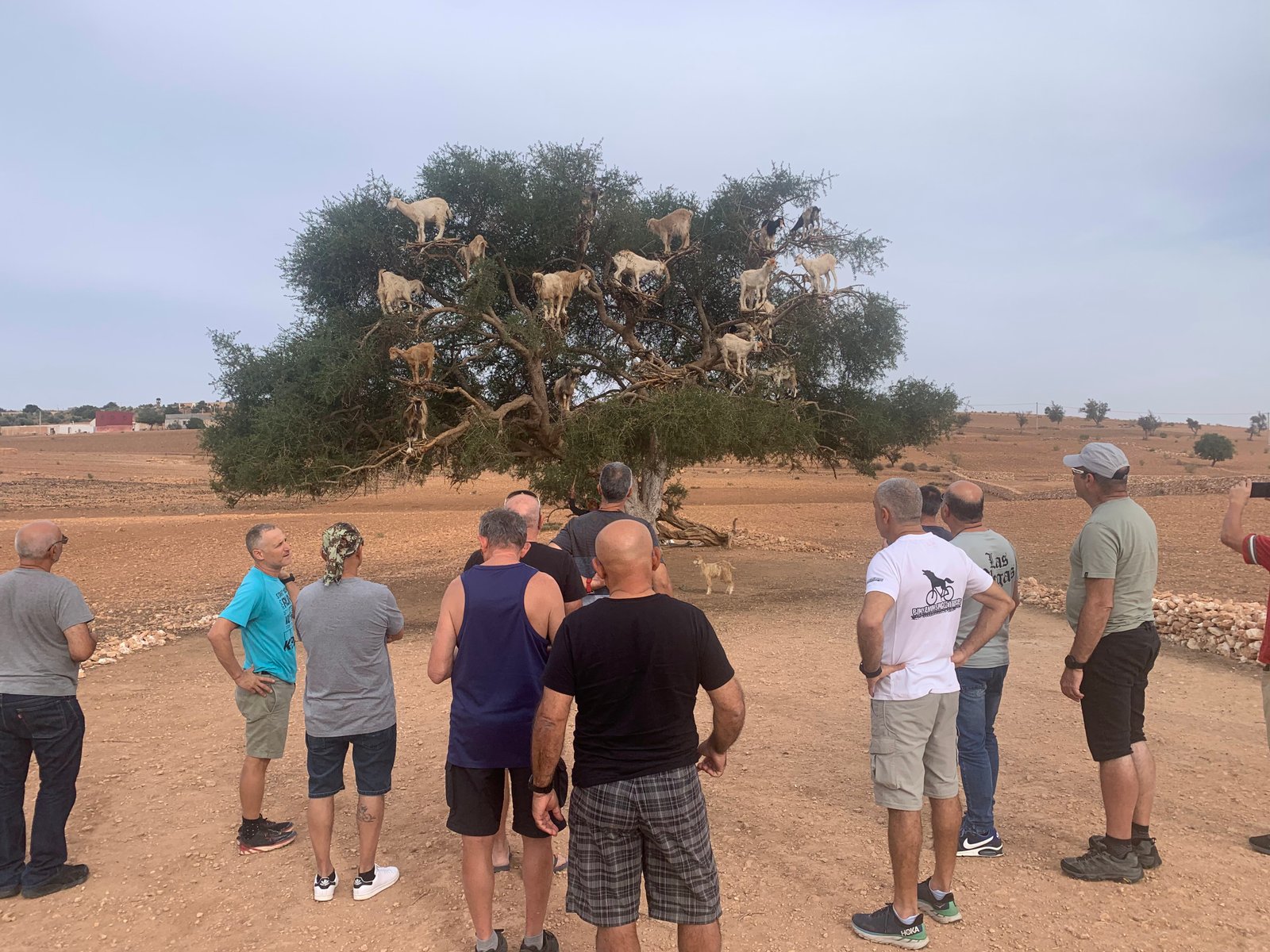
Tracks often connect working land and lived-in communities. Slow down near pedestrians, livestock and homes, give way when appropriate, and avoid riding through crops or creating new shortcuts around difficult sections. Ask before photographing people and follow local guidance about access and etiquette.
Take rubbish with you, use refillable bottles where practical and avoid leaving food packaging on the route. Responsible travel means considering not only the landscape but also the people who use these roads and paths every day.
Gravel trip planning checklist
- Route profile: Confirm distance, climbing, surface mix, estimated riding time and transfer sections for every stage.
- Bike and tyres: Match tyre width, gearing, brakes and carrying capacity to the roughest planned terrain.
- Navigation: Confirm guide arrangements, route files, device charging and the plan if the group gets separated.
- Water and food: Clarify resupply distances, carrying capacity, meal arrangements and any dietary requirements.
- Support and repairs: Ask what the support vehicle carries and what you must bring for punctures or mechanical issues.
- Accommodation and luggage: Check what is included, how bags are moved and how the bike is transported between regions.
- Conditions: Confirm route access and the current outlook shortly before departure, especially for remote or exposed stages.
Frequently asked questions
Is Morocco suitable for a gravel cycling holiday?
It can be a rewarding destination for gravel riders because an itinerary can combine quiet paved roads, compact dirt and rural tracks. Surfaces differ considerably by region and route, however. Ask for a clear surface description, route profile, expected daily distance and support details before deciding whether a particular trip suits your bike and experience.
What tyres should I use for gravel cycling in Morocco?
Tyre choice depends on the roughest planned surfaces, the amount of loose rock, your load and your preference for speed or comfort. Wider tyres and puncture protection may be useful on rough tracks, while smoother routes may allow a faster setup. Confirm the route surface with the organiser before choosing a tyre width or tread pattern.
How far should I plan to ride each day?
Daily distance should be set alongside elevation, surface, wind, temperature, luggage and the group's experience. A shorter rough stage can take more time and energy than a longer paved ride. Ask for expected riding time, climbing, stops and any transfers instead of comparing trips by kilometres alone.
Can I use a gravel bike on Atlas Mountain tracks?
Some routes may suit a gravel bike, particularly where surfaces are firm and gradients are manageable. Rough, steep or technical tracks may be better suited to a mountain bike. The route should be checked against the bike's tyre clearance, gearing, braking, load and your comfort on loose surfaces.
What should I carry on remote gravel stages?
Carry the water, food, navigation and repair equipment specified for the route, along with personal essentials and suitable clothing layers. Clarify what a support vehicle carries, how far apart resupply points are and what to do if a mechanical problem or route change occurs. Remote stretches need an agreed support plan rather than assumptions about finding supplies en route.
Is a support vehicle always included?
Support arrangements vary by trip and should be confirmed before booking. Ask whether luggage transfers, mechanical assistance, food and water resupply, and transfers between stages are included. If a tour is designed to be self-supported, make sure you understand the navigation, carrying requirements and contingency plan for the complete route.